
Hire a Skip for Driveway and Patio Renovation Waste Removal Guide
Driveway and patio renovations can completely transform the appearance and functionality of a property. Whether replacing worn paving, installing new block paving, laying decorative stone, or creating an outdoor entertaining space, every project generates a considerable amount of waste that needs to be removed safely and efficiently. Careful planning before work begins helps keep the site tidy, improves productivity, and reduces unnecessary delays throughout the renovation.
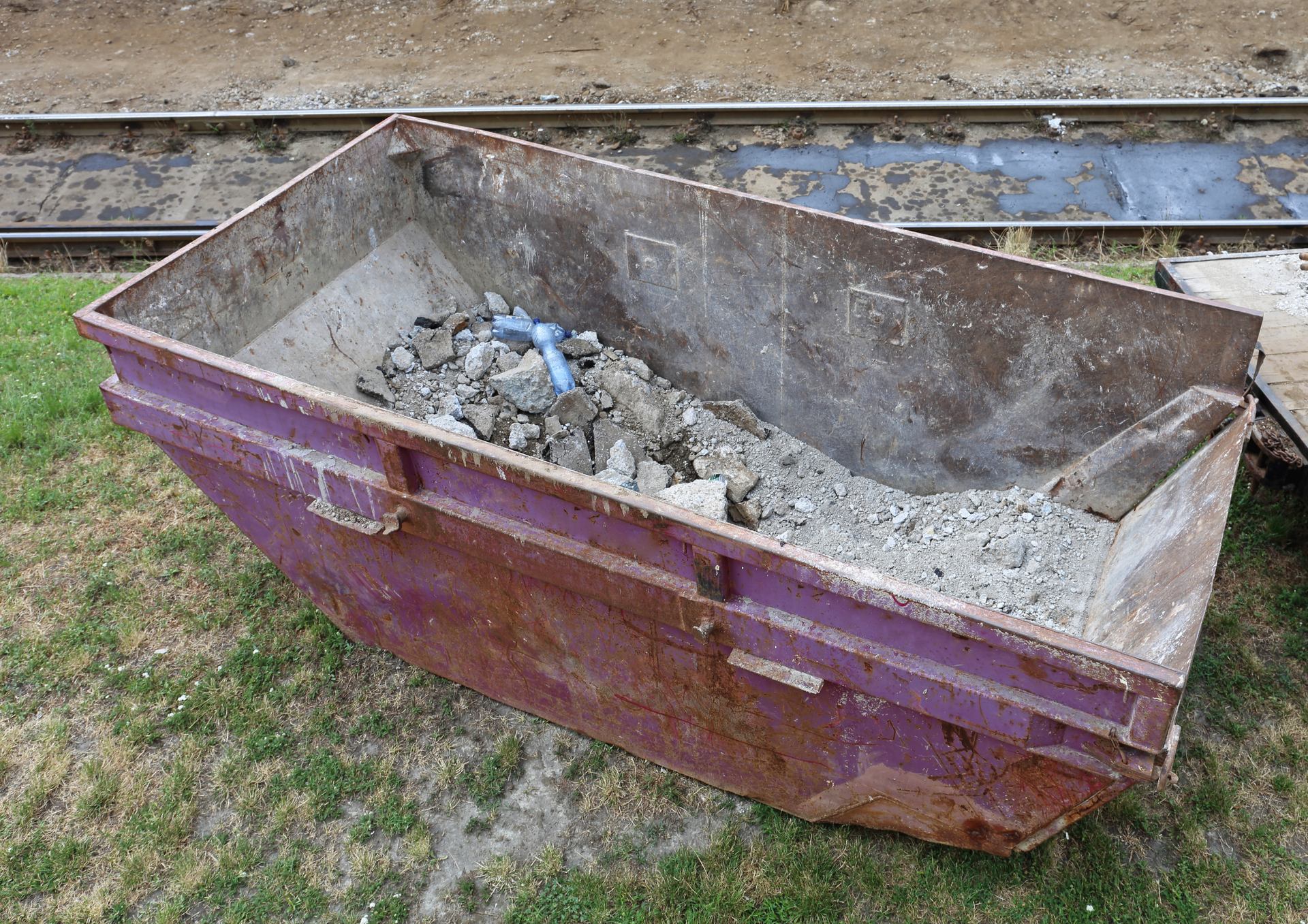
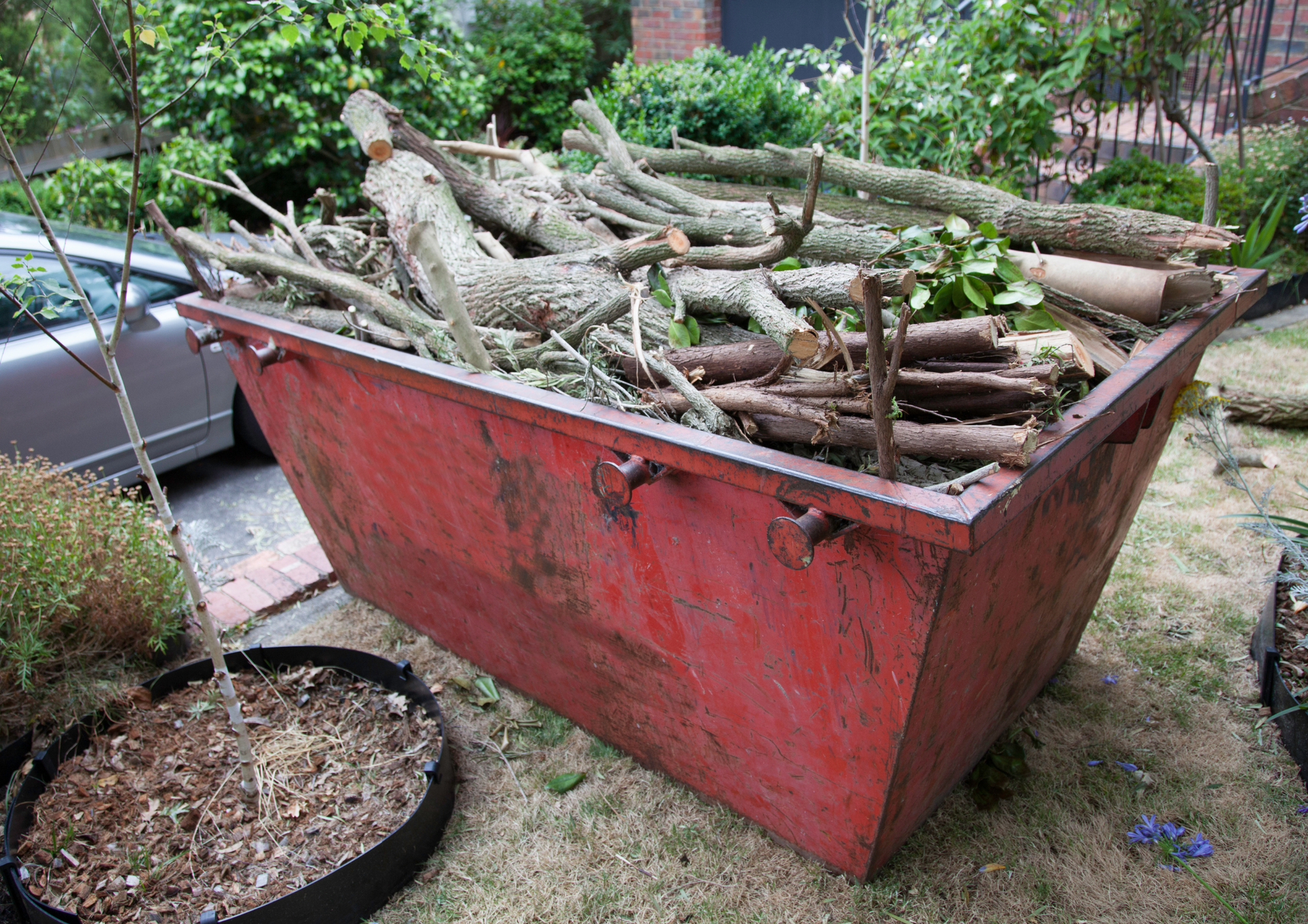
Many homeowners focus on choosing paving materials, colours, and designs while overlooking how old materials will be removed. Broken concrete, paving slabs, bricks, gravel, soil, sand, packaging, and general construction debris can quickly accumulate, creating obstacles that slow progress. Choosing to Hire a skip before work begins provides a practical way to manage waste efficiently, allowing contractors and property owners to focus on completing the renovation instead of making repeated journeys to disposal facilities.
Whether the work is taking place at residential or commercial properties, having a structured waste disposal plan benefits everyone involved. Homeowners can maintain a cleaner outdoor space, landlords preparing properties for new tenants can complete improvements more efficiently, surveyors overseeing developments can observe better site organisation, and local authorities often encourage responsible waste handling that supports cleaner communities.
Planning Waste Removal Before Renovation Begins
Successful renovation projects begin long before the first paving slab is lifted. Taking time to assess the work involved allows property owners to estimate how much waste is likely to be produced and identify the most practical disposal method.
Older driveways often contain layers of concrete, hardcore, gravel, or tarmac beneath the visible surface. Removing these materials frequently creates far more waste than expected. Likewise, replacing patios may involve lifting paving stones, edging blocks, mortar, bedding sand, decorative aggregates, and unwanted garden features.
Creating a simple project plan helps estimate the volume of waste likely to be generated throughout each stage of the work. This preparation allows builders, landscapers, and property owners to keep the work area organised while reducing unnecessary interruptions once construction begins.
Accessibility should also be considered before renovation starts. Delivery vehicles, machinery, wheelbarrows, and construction equipment all require sufficient space to move safely around the property. Positioning waste collection in a convenient location reduces manual handling while helping workers transport debris more efficiently.
Weather conditions may also influence the pace of outdoor renovation work. Heavy rain can create muddy conditions, while strong winds may scatter lightweight packaging and protective materials across the site. Keeping waste contained throughout the project helps maintain a safer and more organised working environment regardless of changing weather.
Projects involving neighbouring properties may require additional planning. Keeping pathways clear, reducing unnecessary obstruction, and maintaining tidy working areas can help minimise disruption while renovation work is underway.
Communication between everyone involved also contributes to smoother project management. Contractors, landscapers, suppliers, and property owners all benefit from understanding when materials will arrive, when demolition will take place, and how waste will be removed during each phase of construction.
A well-organised project often progresses more efficiently because workers spend less time moving piles of waste around the site. Clear working areas also improve visibility, reduce trip hazards, and make it easier to transport new construction materials into position.
Those undertaking larger developments frequently review waste management alongside delivery schedules and construction timelines. Coordinating these elements helps ensure projects continue progressing without unnecessary delays caused by overflowing waste or restricted working space.
Understanding the Types of Waste Produced During Driveway and Patio Projects
Every driveway and patio renovation generates different types of waste depending on the existing surface, the scale of the project, and the improvements being carried out. Understanding the materials likely to be removed helps property owners plan waste disposal more effectively and maintain a cleaner, better organised work area throughout the renovation.
Concrete and Hardcore
- Broken concrete from existing driveways.
- Old foundations and concrete base layers.
- Concrete edging and kerbs.
- Rubble and hardcore created during excavation.
Block Paving Materials
- Damaged or unwanted block paving.
- Jointing sand and compacted bedding materials.
- Edging stones.
- Sub-base aggregates.
Patio Construction Waste
- Broken paving slabs.
- Natural stone and porcelain tiles.
- Bedding mortar.
- Decorative gravel and surplus landscaping materials.
Garden and Landscaping Waste
- Turf and unwanted soil.
- Shrubs, roots, and branches.
- Timber from old garden structures.
- Organic garden waste created during redesign work.
Packaging Materials
- Plastic wrapping.
- Cardboard packaging.
- Wooden pallets.
- Protective coverings supplied with new materials.
Excavation and Hidden Materials
- Buried bricks.
- Redundant pipework.
- Old drainage components.
- Unexpected construction materials uncovered during excavation.
Drainage Improvements
- Removed drainage channels.
- Surface water management components.
- Outdated drainage fittings requiring replacement.
Choosing a Suitable Skip Size
- A 2 yard skip may suit smaller projects with limited quantities of rubble and landscaping waste.
- A 4 yard skip can provide additional capacity for moderate amounts of paving, bricks, soil, and concrete.
- An 8 yard skip is often selected for larger driveway renovations producing significant amounts of construction waste.
- A 12 yard skip may be appropriate for extensive renovation projects involving larger volumes of lighter construction materials.
Planning for these waste materials before work begins helps homeowners, landlords, surveyors, and local authorities keep renovation projects organised, efficient, and easier to manage from start to finish.
Keeping Driveway and Patio Renovations Safe and Organised
Once renovation work begins, maintaining an organised site becomes just as important as completing the installation itself. Materials are continually removed while new products arrive, meaning the working area changes throughout each stage of the project. A structured approach to waste management helps maintain efficiency from start to finish.
One of the simplest ways to improve organisation is to remove waste regularly rather than allowing debris to build up around the property. Piles of broken paving, loose bricks, timber offcuts, and discarded packaging can quickly reduce available working space, making it more difficult for contractors to carry out their tasks efficiently.
Keeping pathways clear benefits everyone visiting the property. Contractors transporting heavy materials, household members moving around the home, and delivery drivers bringing new supplies all benefit from unobstructed access. Clear walkways also reduce unnecessary handling of waste materials, allowing work to continue with fewer interruptions.
Separating reusable materials from waste can also improve efficiency. Existing paving stones in good condition may be reused elsewhere in the garden, decorative edging may be incorporated into new landscaping features, and surplus aggregates can sometimes be retained for future maintenance. Identifying reusable items before disposal helps reduce unnecessary waste while making better use of available materials.
Weather conditions should continue to be monitored throughout the project. Rain may increase the weight of soil and loose materials, while windy conditions can move lightweight packaging across neighbouring properties. Tidying the site at the end of each working day helps maintain control over the project regardless of changing weather.
Driveway and patio renovations often involve several trades working together, including groundworkers, landscapers, builders, paving specialists, electricians, and drainage contractors. Good communication between everyone involved helps coordinate deliveries, waste removal, and installation schedules, reducing delays caused by overcrowded working areas.
Property owners should also consider the impact of renovation work on neighbours. Maintaining a tidy site, avoiding unnecessary obstruction of shared access, and removing waste promptly helps minimise inconvenience while demonstrating consideration for the surrounding community.
Commercial properties undergoing external improvements often face additional challenges, as public access and business operations may need to continue while work is being completed. Careful planning allows renovation projects to progress while maintaining safe access wherever possible.
Surveyors overseeing improvement works frequently observe that organised sites often experience fewer delays because contractors can work more efficiently when unnecessary waste is removed promptly. Better organisation also allows progress to be monitored more accurately throughout the project.
For local authorities responsible for maintaining public spaces, organised renovation sites contribute to cleaner surroundings and help reduce disruption within the wider community. Effective waste management supports responsible construction practices that benefit both contractors and residents.
Choosing a Practical Waste Management Solution for Your Project
Every driveway and patio renovation is different, so planning waste management before work begins helps keep the project organised and running efficiently. Considering the size of the renovation, the materials being removed, site access, and the expected timescale allows property owners to choose a practical approach that supports smooth progress from start to finish.
Assess the Size of the Project
- Consider the overall scope of the renovation before work starts.
- Larger projects generally produce more waste than smaller improvements.
- The amount of excavation and demolition will influence waste volumes.
Plan Around the Project Timescale
- Smaller patio refurbishments may only take a few days.
- Complete driveway replacements can continue for several weeks.
- Waste removal arrangements should remain suitable throughout each stage of the work.
Consider the Types of Waste
- Heavy materials such as concrete, bricks, paving slabs, and hardcore require careful planning.
- Lighter materials including timber, cardboard, plastic packaging, and green waste may accumulate quickly.
- Estimating the balance of different waste types helps improve project organisation.
Review Property Access
- Check for narrow driveways or restricted entrances.
- Consider shared access roads or sloping ground.
- Good access allows deliveries and collections to take place with minimal disruption.
Coordinate Larger Projects
- Larger developments may involve contractors, suppliers, and property managers.
- Coordinating waste removal alongside construction schedules helps maintain efficient site operations.
- Good organisation reduces unnecessary congestion around the work area.
Support Responsible Waste Management
- Removing waste regularly helps keep the site cleaner and easier to manage.
- Reusing suitable materials where practical can reduce unnecessary disposal.
- Careful planning supports responsible renovation practices throughout the project.
Maintain Clear Communication
- Regular discussions between property owners and contractors help monitor progress.
- Reviewing waste volumes during the project allows plans to be adjusted if required.
- Good communication contributes to smoother project management from beginning to completion.
Plan Ahead
- Arranging to Hire a skip before renovation work begins allows waste management to form part of the overall project plan rather than becoming an afterthought.
- Early preparation helps maintain cleaner working conditions while allowing renovation work to progress with fewer interruptions.
By considering these factors before work starts, homeowners, landlords, surveyors, and local authorities can complete driveway and patio renovations in a more organised, efficient, and practical manner.
At
Skip Hire Lichfield, we are committed to providing practical waste management solutions that support renovation projects of every size. Whether you are improving a private garden, refurbishing a rental property, managing commercial premises, or overseeing wider development work, we understand the importance of dependable service and straightforward communication.
Our website has been created to provide clear, useful information that helps customers make informed decisions before their projects begin. We focus on practical guidance rather than unnecessary complexity, making it easier to understand waste management options for a wide variety of renovation projects.
We appreciate that every property is different, which is why we aim to offer helpful advice suitable for projects ranging from modest patio improvements to extensive driveway reconstruction. By choosing Hire a skip through us, property owners can plan their renovations with confidence, knowing they have access to reliable information and practical support throughout every stage of their project.
Latest Post on X:
Hire a skip support for driveway and patio waste removal.
You might also like