
Using Skips for Roofing Debris and Rubble Removal During Projects
Roofing work and rubble clearance projects often create large amounts of waste that can quickly become difficult to manage without proper planning. Whether the project involves replacing roof tiles, clearing broken concrete, removing old timber, or disposing of construction debris, using suitable skips can help keep the site cleaner, safer, and easier to organise throughout the work. For homeowners, landlords, surveyors
Many roofing materials are heavy, awkward to move, and unsuitable for standard household waste collections. Broken tiles, bricks, slate, plaster, timber, and rubble can build up rapidly during repairs or refurbishment work, particularly on larger projects involving older buildings or structural alterations.
By arranging suitable waste collection in advance, property owners and contractors can focus more effectively on the work itself rather than dealing with repeated trips to disposal facilities.
Planning Waste Removal Before Roofing and Clearance Work Begins
Roofing and demolition work can generate more waste than many people initially expect. Even relatively small repairs may produce damaged materials, packaging waste, timber offcuts, and broken masonry that require proper disposal.
Larger refurbishment projects involving extensions, roof replacements, chimney removals, or structural repairs often create significant amounts of heavy debris that need ongoing management throughout the project timeline. One of the main advantages of arranging skips before work starts is that waste can be removed gradually rather than piling up around the property.
This is especially important on residential streets, shared access areas, commercial premises, and properties with limited outdoor space. Keeping waste contained helps reduce clutter while allowing tradespeople to move around the site more safely and efficiently.
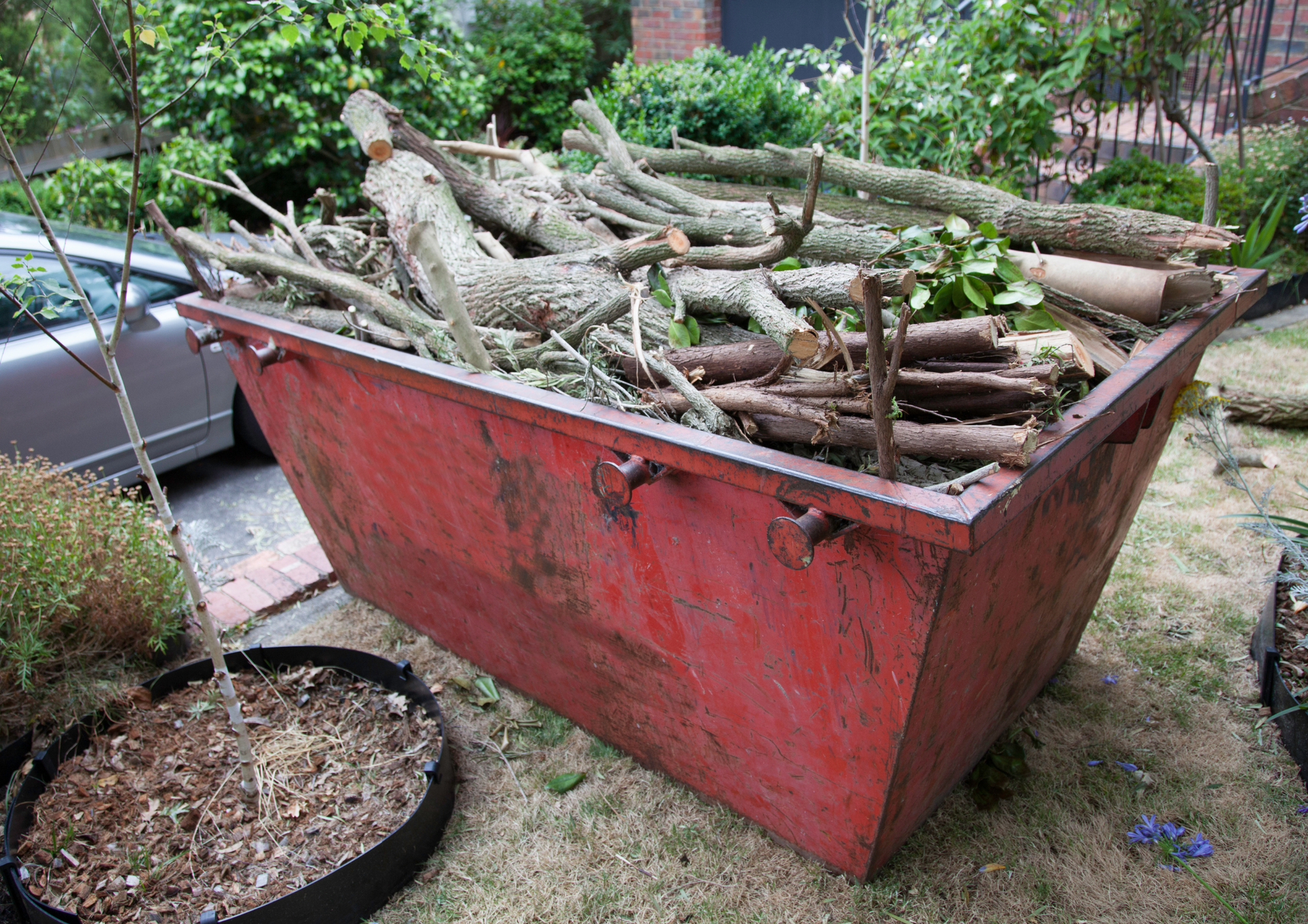
Roofing contractors frequently remove old felt, battens, lead flashing, tiles, slates, insulation materials, and broken guttering during renovation work. These materials can quickly occupy valuable working areas if no disposal method has been arranged in advance.
For projects involving older roofs, additional waste may also include damaged plaster, decayed timber, or collapsed masonry discovered during inspections and repairs. Projects involving rubble clearance present similar challenges.
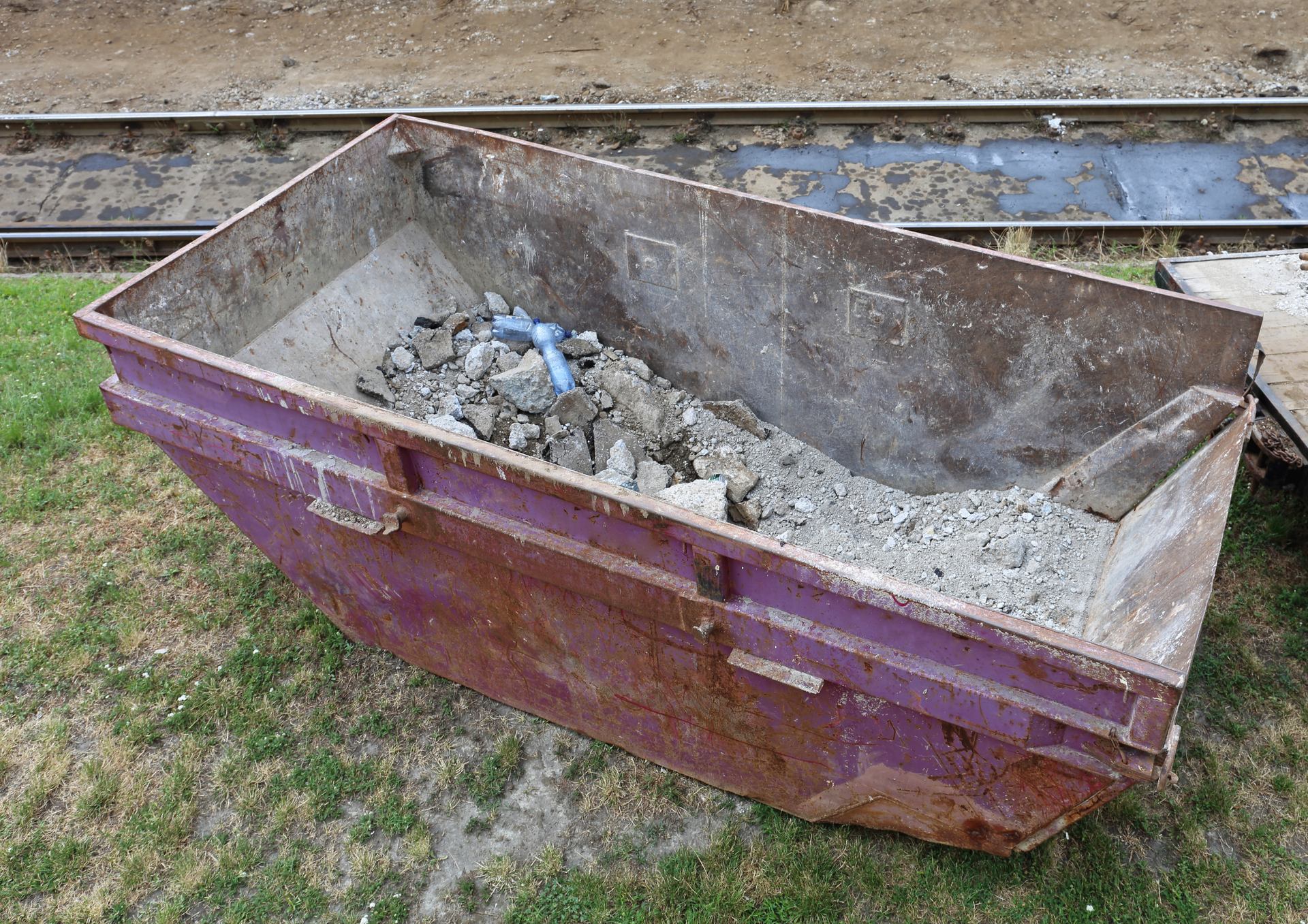
Brick fragments, concrete, hardcore, paving materials, and damaged render are all heavy materials that require suitable disposal methods. Trying to manage these materials using standard bins or small vehicles often becomes impractical once larger volumes begin accumulating.
When people begin searching for suitable waste solutions, many eventually decide to order a skip because it allows waste to be removed in a more structured and organised manner without repeatedly interrupting the work schedule.
Managing Different Types of Roofing and Construction Waste
Roofing and rubble clearance projects can produce a wide variety of waste materials, each requiring careful handling and organised disposal throughout the work. From heavy construction debris to lighter packaging and insulation waste, understanding the different categories of waste can help property owners and contractors plan more effectively and maintain cleaner working environments.
- Heavy Construction Materials
Bricks, concrete, roof tiles, paving slabs, and hardcore materials can place significant weight inside waste containers. These materials often require careful loading to maintain safe and manageable waste removal during larger roofing and refurbishment projects.
- Roofing Waste Materials
Roofing projects may generate slate, broken tiles, felt, membranes, timber battens, flashing materials, insulation boards, and damaged guttering. Older properties can sometimes produce additional waste due to ageing materials uncovered during repairs.
- Lightweight Mixed Waste
Packaging materials, timber offcuts, insulation, plastic coverings, and protective sheeting may not weigh as much as rubble but can quickly occupy large amounts of space during ongoing construction work.
- Property Renovation Debris
Refurbishment projects may involve removing damaged flooring, internal walls, chimney sections, plaster, garden structures, and deteriorated external materials. Waste often builds up gradually across multiple stages of the work.
- Commercial Project Waste
Larger commercial roofing projects can generate substantial volumes of debris within short periods of time. Warehouses, office buildings, retail units, and public buildings may require more structured waste management throughout the project duration.
- Site Organisation and Access Considerations
Keeping waste contained helps reduce disruption around pathways, entrances, shared access areas, and parking spaces. Organised waste handling can support safer and more efficient working conditions for contractors and property managers.
- Choosing Suitable Waste Solutions
Some customers compare different types of skip's depending on the volume of debris, site access, loading space, and the type of materials being removed. Careful planning can help prevent delays and support smoother project management throughout the work.
Maintaining Cleaner and More Organised Working Areas
Well-managed waste disposal contributes significantly to maintaining cleaner and more organised project sites. Roofing repairs and rubble removal can easily create dust, loose debris, and uneven working areas if materials are not removed consistently throughout the project.
Keeping waste contained helps reduce the risk of loose materials spreading into driveways, pathways, neighbouring areas, or public access points. This can be particularly beneficial in residential locations where maintaining reasonable access and minimising disruption remains important throughout the duration of the work.
Commercial properties also benefit from organised waste management during refurbishment projects. Offices, retail premises, industrial buildings, schools, and public buildings often require ongoing maintenance while still remaining partially operational. Removing waste regularly can help support safer access routes and cleaner surroundings for staff, visitors, and contractors.
Surveyors overseeing refurbishment or repair projects may also prefer controlled waste handling because it helps maintain clearer access for inspections and assessments during ongoing work. Excessive debris can sometimes obstruct important areas requiring further evaluation or repair.
Construction and roofing projects frequently progress more smoothly when waste removal has already been factored into the overall planning process. Delays caused by overloaded vehicles, restricted access, or temporary waste storage can disrupt schedules and increase unnecessary pressure on already busy worksites.
Many residential and commercial customers continue using skips because they allow waste materials to be collected steadily throughout the project rather than waiting until the end of the work before arranging disposal.
Choosing Practical Waste Solutions for Residential and Commercial Projects
Different properties and construction projects often require different approaches when arranging waste collection for roofing and rubble clearance work. Access restrictions, project size, surrounding environments, and the type of property can all influence how waste is managed throughout the project.
- Residential Property Considerations
Detached homes, terraced houses, apartment buildings, and shared residential developments may all have different space limitations and access conditions. Waste collection planning often focuses on maintaining access for residents, neighbours, and parked vehicles during the work.
- Urban and Built-Up Areas
In busier locations, careful placement of waste containers can help reduce unnecessary obstruction while still allowing contractors to load materials efficiently throughout roofing and clearance projects.
- Commercial and Industrial Projects
Warehouses, office buildings, schools, retail premises, and industrial units may generate larger volumes of roofing waste and rubble over longer periods of time. Ongoing waste collection arrangements can help maintain cleaner and more organised working environments during refurbishment work.
- Public and Shared Spaces
Local authorities and property managers may oversee projects involving communal pathways, public access areas, and shared residential spaces where organised waste handling helps minimise disruption for nearby occupants and visitors.
- Environmental Considerations
Many roofing and construction materials can often be separated and processed appropriately after collection. Managing waste carefully throughout a project can help reduce unnecessary landfill disposal and support more responsible waste handling practices.
- Convenient Waste Planning
Some customers choose to skip online when organising roofing and rubble clearance projects because it allows waste collection arrangements to be managed alongside the wider project schedule in a straightforward and practical way.
Skip Hire Lichfield
provides practical waste collection support for roofing projects, rubble clearance work, and general construction waste removal across Lichfield and surrounding areas. We focus on straightforward service, organised collections, and reliable support for residential and commercial properties requiring structured waste management during renovation and maintenance projects.
Our website is designed to make arranging skips and waste collection simple and clear for customers planning roofing work, refurbishment projects, property clearances, and construction jobs. We aim to provide helpful guidance, practical solutions, and dependable support that assists property owners and contractors throughout every stage of their project.
New Update on X:
Skips for organised roofing and rubble removal projects.
You might also like