
What to Consider When Comparing Skip Hire Prices in Your Local Area
Finding the right waste removal service involves more than looking for the lowest advertised figure. When comparing skip hire prices, it is useful to consider exactly what is included, whether the chosen container is appropriate for the project and how reliably the service can fit around your schedule. A quotation that initially appears attractive may not necessarily represent the best overall value if important requirements have not been considered.
Waste removal requirements can vary considerably between projects. A homeowner clearing a garage may have very different needs from a landlord preparing a rental property, a surveyor overseeing refurbishment work or a local authority managing waste from property maintenance. Residential and commercial projects can also generate different volumes and types of material, making careful planning particularly important.
Location can influence arrangements as well. In areas such as Lichfield, customers may need to consider property access, surrounding roads, available space and whether a skip can be positioned on private land. Similar considerations apply in towns and cities throughout the UK.
Taking time to understand the factors behind a quotation makes comparisons more meaningful. Rather than concentrating entirely on the headline figure, customers can consider capacity, waste requirements, hire duration, collection arrangements and service quality. This creates a clearer picture of what they are receiving and helps reduce the possibility of unexpected complications once work begins.
Understanding the Main Factors That Affect the Price
Several elements can influence how much customers are quoted for a skip. Understanding these categories makes it easier to compare services fairly and recognise why two apparently similar bookings may be priced differently.
Container Capacity
- Smaller containers are generally intended for modest household jobs, including decluttering, minor DIY work and small garden clearances.
- Larger options provide greater capacity for renovations, building projects and substantial property clearances.
- Choosing more capacity than necessary may mean paying for space that remains unused.
- Selecting too little capacity can create the inconvenience of needing another container or an additional collection.
- Estimating the expected amount of waste before booking can therefore improve both efficiency and value.
Waste Type
- Different materials require different handling and processing methods after collection.
- General household rubbish, timber, garden material and building debris may need to be sorted separately once they reach an appropriate waste facility.
- Heavy materials can affect which container is suitable, particularly when large quantities are involved.
- Customers should explain what they expect to dispose of before booking rather than assuming every material can be handled in the same way.
- Accurate information at the enquiry stage helps the provider recommend an appropriate solution.
Hire Period
- A short household clearance may only require a container for a limited period.
- Renovations and commercial works may continue for longer and require more flexible arrangements.
- Customers should establish the standard hire period before confirming a booking.
- If a project is likely to overrun, discussing this possibility in advance can make planning easier.
- Knowing approximately when the container will be ready for collection also helps prevent it from occupying valuable space unnecessarily.
Delivery Location
- Access to the property can affect how straightforward delivery and collection will be.
- Narrow streets, parked vehicles, gates and restricted entrances should be considered before the delivery date.
- Customers should identify a suitable placement area where the container can be loaded conveniently.
- If private land is unavailable and placement on a public road is being considered, additional arrangements may be necessary.
- Providing accurate access information helps the provider plan the delivery vehicle and positioning requirements.
Comparing Quotations
- Customers should establish what is included rather than comparing figures without context.
- Delivery, collection, standard hire duration and permitted waste requirements are useful points to discuss.
- A clear quotation makes it easier to understand the service being offered.
- Extremely low skip prices should be considered alongside reliability, capacity and the conditions attached to the booking.
- Comparing like-for-like services provides a much more useful basis for deciding which option represents suitable value.
Looking Beyond the Lowest Quotation
Price naturally matters when organising waste removal, but the cheapest quotation does not automatically provide the most suitable service. Reliability, communication, appropriate equipment and straightforward booking arrangements can all affect how smoothly a project progresses.
A delayed delivery can be particularly inconvenient when builders, tradespeople or clearance teams are already scheduled. Waste may begin accumulating before there is somewhere suitable to place it, reducing working space and making the site harder to organise. For a commercial property, delays can also interfere with other stages of refurbishment or maintenance.
Collection arrangements deserve similar consideration. Once a container has been filled, customers generally want it removed at an appropriate point in their project. Knowing how collections are requested and approximately how the process works makes planning easier, particularly where space is limited.
Communication is another important indicator of service quality. Customers should be able to ask questions about capacity, acceptable materials, positioning and collection arrangements before making a decision. Clear information reduces uncertainty and helps prevent misunderstandings later.
Online searches for skip hire prices near me can provide a useful starting point, but the figures displayed should always be considered alongside the actual service being offered. Local availability, project requirements and access conditions can all influence what is appropriate for an individual booking.
For landlords, dependable scheduling can be particularly useful when preparing a property between tenancies. Waste from furniture removal, decorating and maintenance may need to be cleared before cleaning or other work can continue. Coordinating removal properly can help reduce unnecessary disruption.
Surveyors and those overseeing refurbishment projects may have different priorities. They may need to coordinate waste removal with contractors, property owners and other professionals while keeping access available throughout the work. Reliable scheduling can therefore be just as important as the initial quotation.
Local authorities and organisations responsible for multiple properties may also need predictable arrangements. Understanding the expected service from the beginning allows waste management to be incorporated into wider maintenance programmes rather than dealt with reactively.
Residential customers benefit from the same principle. A straightforward booking, suitable capacity and organised collection can make a home improvement or clearance considerably easier to manage. Value should therefore be judged by the complete service rather than one figure viewed in isolation.
Matching the Skip to the Type and Scale of Your Project
Choosing an appropriate container is an important part of achieving good value from skip hire prices. Different projects generate different quantities and types of waste, so estimating requirements before booking can help customers avoid unnecessary expense and disruption.
Household Clearances
- Garage, shed and loft clearances can produce a mixture of unwanted household items and general rubbish.
- Looking through the area before booking gives a better indication of the volume that needs to be removed.
- Breaking down suitable bulky items can sometimes make more effective use of the available capacity.
- Customers should avoid assuming that a small clearance automatically requires the smallest option available.
- Considering the entire project rather than the first few items can produce a more realistic estimate.
Renovation Projects
- Kitchen and bathroom renovations can generate old fittings, packaging, timber and other materials.
- Larger refurbishment work may produce waste gradually over several stages.
- The amount generated should be estimated before work begins wherever possible.
- Coordinating the container with the project schedule can prevent rubbish from occupying valuable working areas.
- Customers should discuss heavier materials with the provider so an appropriate option can be recommended.
Garden Work
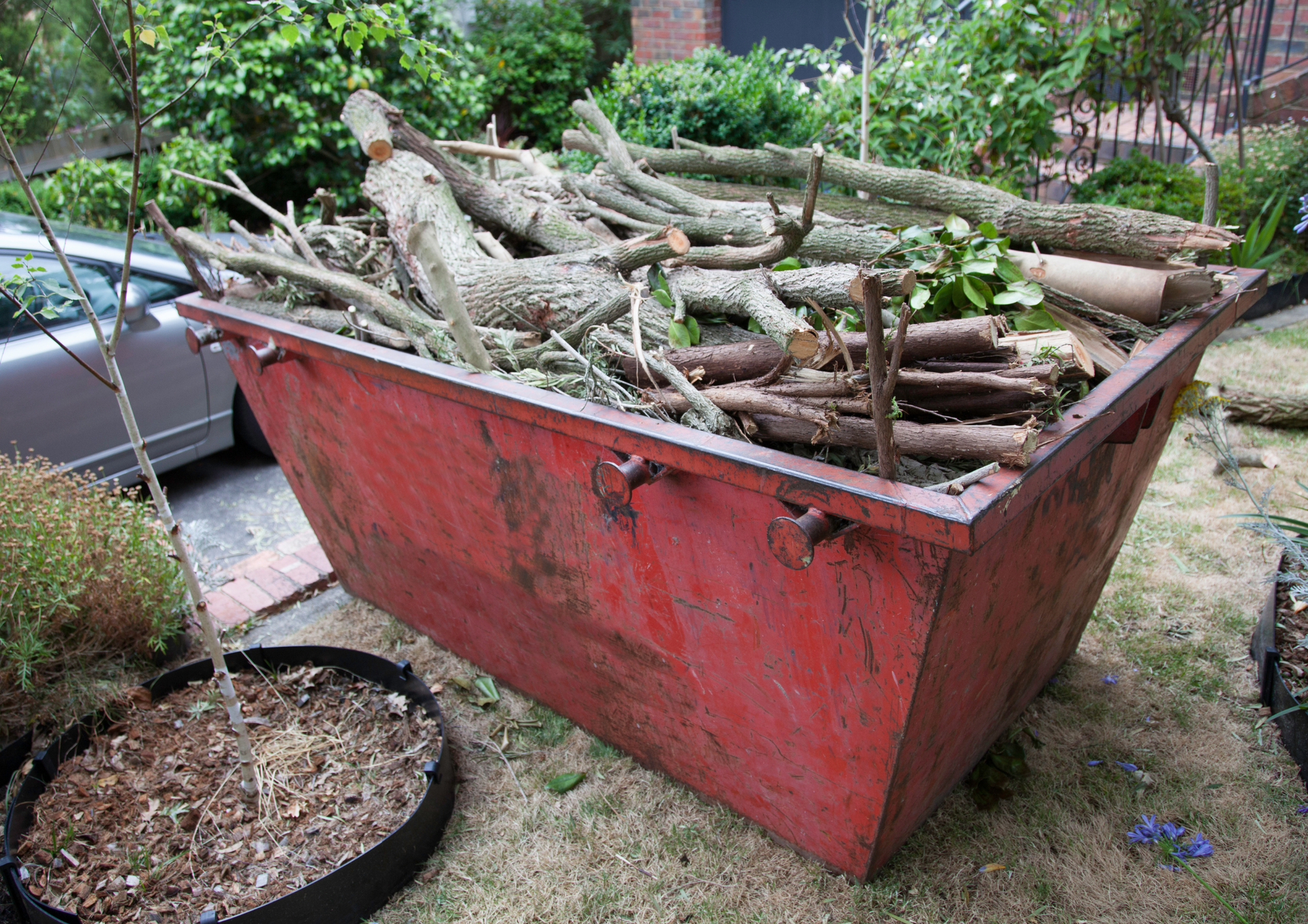
- Garden clearances can produce branches, hedge cuttings, soil and other outdoor materials.
- Green waste can occupy considerable space even when individual items are relatively light.
- Planning how materials will be loaded helps customers use the available capacity efficiently.
- Large landscaping projects may require different arrangements from routine garden maintenance.
- Keeping waste contained also helps maintain access to paths, driveways and working areas.
Landlord and Property Management Work
- End-of-tenancy work may involve unwanted furniture, damaged fixtures and general household rubbish.
- Renovation between occupancies can add further waste from decorating or repairs.
- Coordinating removal with cleaners and tradespeople helps maintain an orderly schedule.
- Selecting sufficient capacity from the outset can reduce the likelihood of needing another booking during a short turnaround.
- Clear placement arrangements are especially useful at properties with shared access or limited parking.
Commercial and Larger Projects
- Office clearances and commercial refurbishments can generate substantial volumes over a relatively short period.
- Waste requirements should be considered as part of the wider project schedule.
- Keeping rubbish contained can improve access for workers and reduce clutter around operational areas.
- Collection timing may need to coordinate with contractors or different phases of work.
- Advance planning makes it easier to select a practical solution without disrupting other activities on the property.
Checking What Is Included Before You Book
Before confirming a booking, customers should understand what the quotation covers. A clear explanation of the service makes comparisons easier and reduces the chance of discovering additional requirements after arrangements have already been made.
One of the first things to establish is the hire duration. Projects do not always run exactly according to schedule, so customers should understand how long the standard booking lasts and what they should do if they need additional time. This is particularly relevant for building and refurbishment projects where delays elsewhere can affect when waste is ready for collection.
Delivery and collection procedures should also be discussed. Customers should know how delivery is arranged, whether they need to be present and how they request collection once the container is ready. If access is restricted, providing this information beforehand can help prevent difficulties when the vehicle arrives.
Waste restrictions are equally important. Not every type of material should automatically be placed into a general container, and some waste may require separate arrangements. Describing the project accurately when requesting a quotation gives the provider an opportunity to explain any relevant limitations.
Customers comparing skip sizes and prices should also look at what each capacity is designed to handle rather than automatically choosing according to price. A larger container can sometimes provide better practical value for a substantial clearance, while a compact option may be entirely adequate for smaller domestic work.
Placement is another point to clarify. A driveway or other suitable private area can often provide a convenient location, but customers should consider access for both the delivery vehicle and people loading the container. The chosen position should not unnecessarily obstruct doors, pathways or areas needed for ongoing work.
If placement away from private property is required, customers should ask about the relevant arrangements before booking. Requirements can differ depending on the location, so obtaining accurate guidance is preferable to making assumptions.
Finally, customers should consider how responsive and clear the provider is during the enquiry process. Straightforward answers about delivery, capacity, permitted materials and collection can provide reassurance that the service is being organised carefully. Comparing the complete package creates a more reliable basis for choosing than simply selecting whichever quotation displays the lowest figure.
Finding fair
skip hire prices requires more than comparing a collection of numbers. The most useful comparison considers the size required, the type and amount of waste, the expected hire period, delivery access and the reliability of the service itself. These factors apply whether the project involves a small household clearance, a rental property, a commercial refurbishment or more substantial building work.
Planning ahead can prevent many common difficulties. Estimating waste volume, considering where the container will be positioned and discussing the materials being removed all help ensure the chosen option is suitable. Customers should also understand delivery and collection arrangements before confirming their booking so that waste removal can fit naturally into the wider project schedule.
The lowest quotation may sometimes be appropriate, but price alone does not reveal whether a service will meet the practical requirements of the job. Clear communication, suitable capacity and dependable arrangements can provide greater overall value by reducing delays and unnecessary complications.
For customers in Lichfield and elsewhere, taking a little extra time to compare the complete service can make waste removal easier to manage. A well-planned booking supports a cleaner, more organised project and allows homeowners, landlords, surveyors, local authorities and commercial property managers to concentrate on the work that needs to be completed.
Skip Hire Lichfield provides practical waste removal support for residential and commercial projects throughout the local area. We understand that customers may be dealing with anything from a straightforward household clearance to renovation work, property maintenance or a larger commercial project, so we focus on helping each customer identify an appropriate solution for their circumstances.
When considering the overall skip hire cost, customers also need clear information about capacity, delivery, collection and the type of waste involved. Our approach focuses on straightforward communication so that these practical details can be considered before a booking is made.
We aim to make the process easy to understand from the initial enquiry through to final collection. By considering the amount of waste, available space, project timescale and access requirements, we can provide practical guidance suited to the individual job. This locally focused approach helps customers organise waste removal efficiently while keeping their property or working environment manageable throughout the project.
Check out our latest X update on what to consider when comparing
skip hire prices in your local area!
You might also like